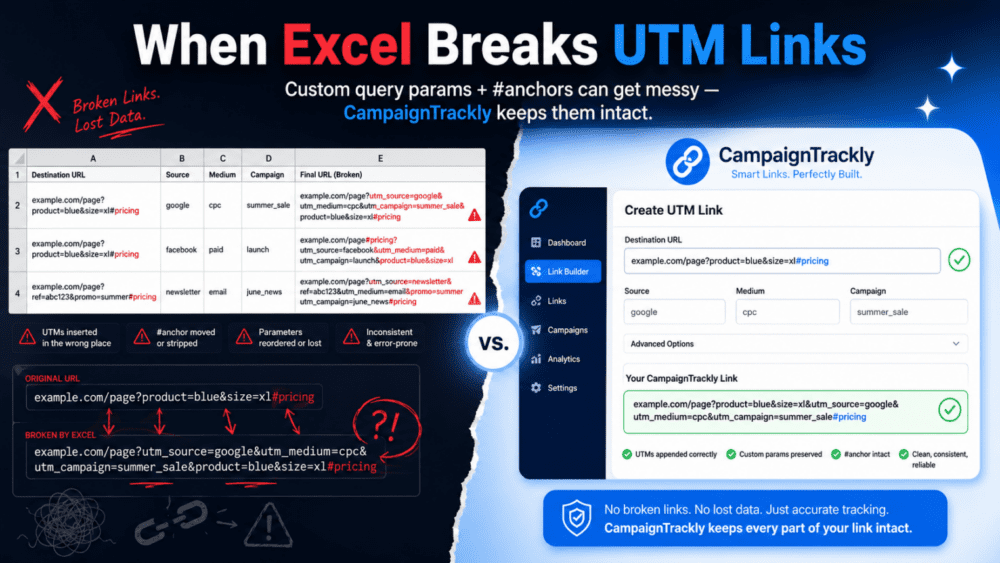
We’re excited to introduce CampaignTrackly’s Digital Campaign Tracking Training Series — a practical learning path designed to help marketers build cleaner tracking links, improve campaign reporting, and generate more reliable customer insights.
How to Build a Best-in-Class Digital Marketing Campaign Tracking Strategy
Campaign tracking is no longer just a technical task. It directly affects how your team measures performance, proves marketing value, and optimizes ROI.
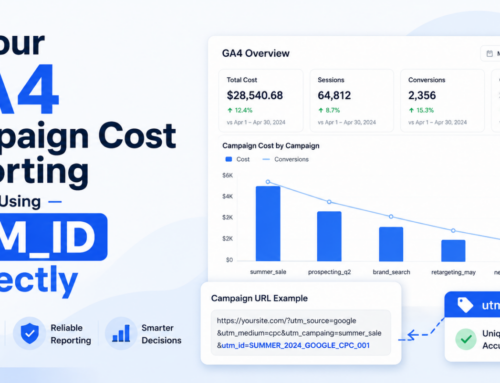
This training series walks you through the core concepts behind digital campaign tracking, UTM parameters, tracking links, Google Analytics reporting, and campaign data quality.
What You’ll Learn
This training series will help you answer questions like:
- Which digital marketing campaigns need tracking tags added to destination URLs?
- When should you use UTM tags, and when should you avoid them?
- Which UTM tags are most important for accurate campaign reporting?
- How do
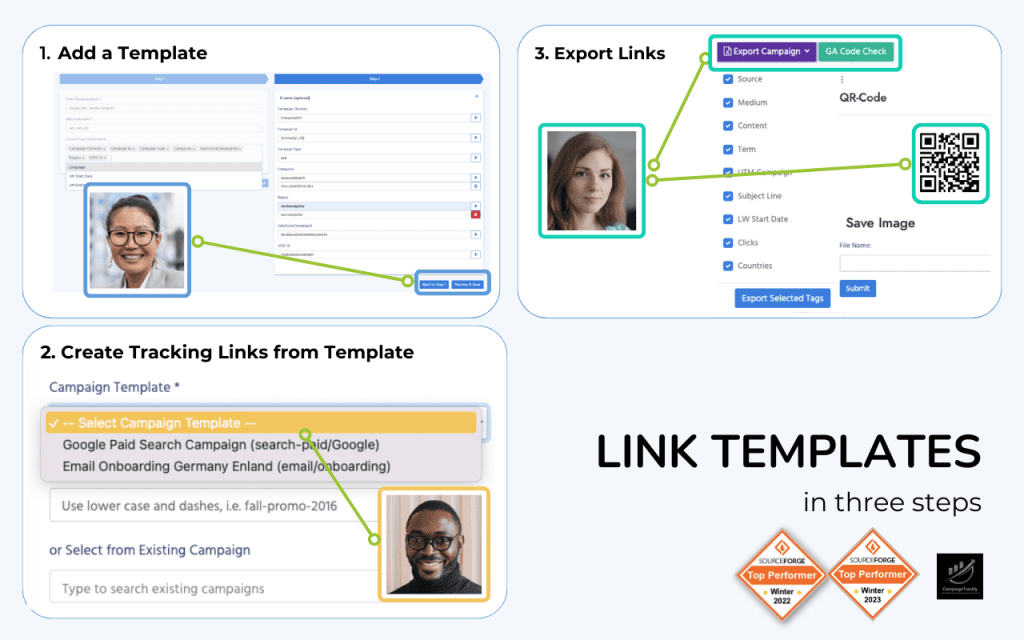
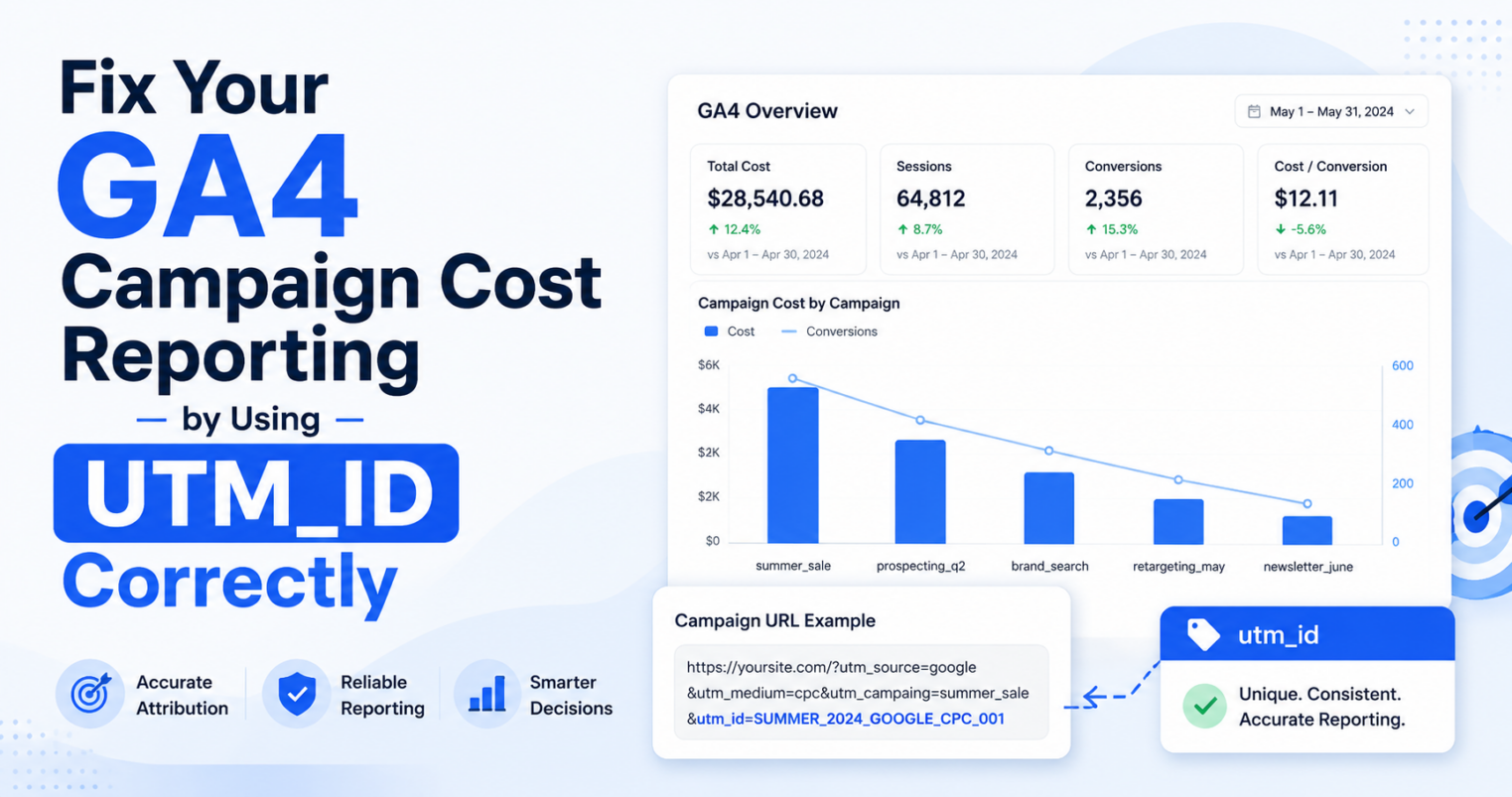
utm_source,utm_medium, andutm_campaignwork together? - How do you convert regular URLs into properly structured tracking links?
- What custom tags can add more detail to your campaign reporting?
- How do owned, earned, and paid media affect your tracking strategy?
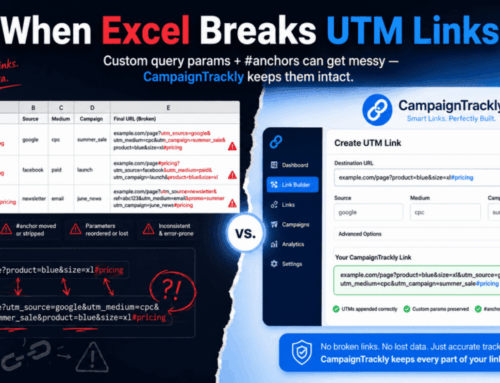
- How can better tracking help prevent bad data quality in analytics reports?
- How can campaign tracking support performance analysis, attribution, and ROI reporting?
Start with Session 1: Digital Campaign Tracking Overview
Begin with the first overview lesson to learn the fundamentals of digital campaign tracking, including when to use UTMs, which media types need tracking, and how tracking tags support campaign analytics.
View the slides from Session 1, then take the quiz to test your understanding.
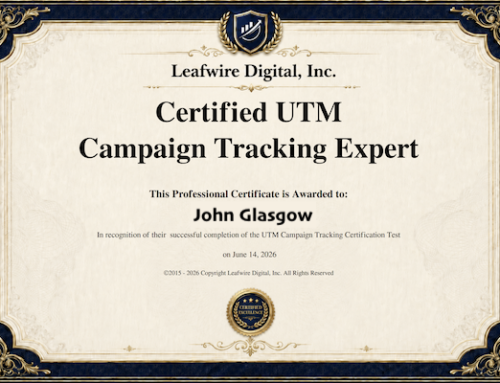
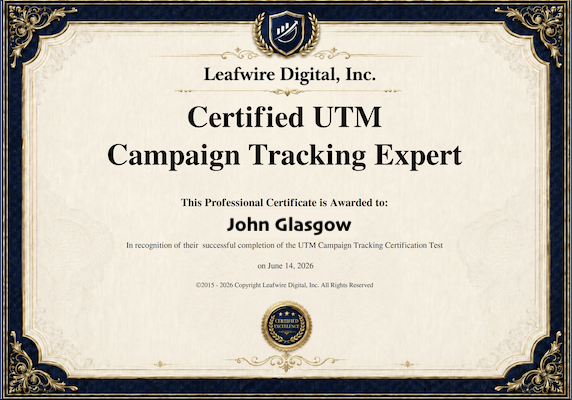
Pass the quiz to earn a Certificate of Accomplishment from CampaignTrackly.
Review the Google Slide Deck
Take the Quiz and Receive Your Certificate of Accomplishment
Our Training Approach
We teach digital campaign tracking in the context of Google Analytics reporting, campaign performance, and business KPIs.
However, the methodology can be applied to many analytics platforms because it focuses on tracking strategy, data quality, and repeatable campaign governance.
The series starts with the basics — owned, earned, and paid media — and gradually moves into the role of each tracking parameter, how those parameters appear in reports, and how marketers can build a scalable tracking process.
How It Works
Each training module includes a focused blog lesson and a short quiz.
You can read the blog, take the quiz, and earn a Certificate of Accomplishment when you pass.
The goal is simple: help you become more confident in building accurate, consistent, and analytics-ready campaign tracking links.